Germany
🇩🇪 Cologne
A Rhine city of Kölsch beer halls, Romanesque churches, street art and one of Europe's biggest carnivals.
Best for
Safety
Good, with normal caution
Typical trip
2–4 days
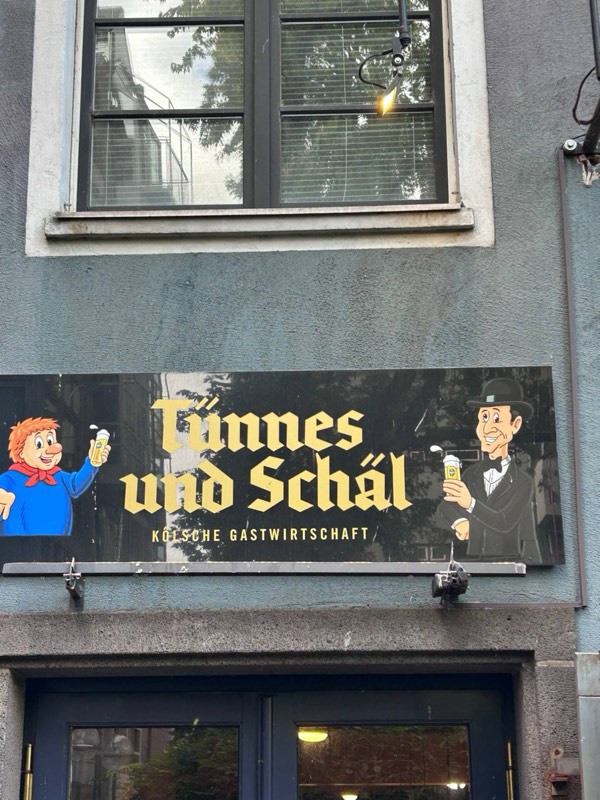
Cologne is a beer-hall city first. The traditional taverns serve the local Kölsch in small glasses at long shared tables, and the city’s social life runs through them.
It’s an easy two- to four-day trip, or a stop on a longer rail trip. The main station is next to the cathedral, with fast trains to Amsterdam, Brussels, Paris and Berlin.
Travelling here alone
- Kölsch comes in small 0.2-litre glasses, and the waiter, the Köbes, keeps replacing yours until you put your beer mat on top. You never have to flag anyone down.
- Brewery-taverns seat strangers together at long tables, which is the easiest way into a conversation here.
- Carnival is easy to join on your own: costumes are the norm and the street parties are open to everyone. Book accommodation well ahead.
- Pickpocketing is the main risk around the cathedral and the station.
Where to base yourself
Around the cathedral and the river, with the traditional brewery-taverns. The busiest part of the city with visitors.
The Belgian Quarter: independent shops and bars, and Brüsseler Platz, which fills with people on warm evenings.
A former industrial district with murals, clubs and cheap food. A short tram ride from the centre.
The basics
- Getting around
- KVB trams and U-Bahn trains cover the city; buy tickets at the stops or in the KVB app. The centre is walkable, and the main station sits next to the cathedral, so arriving by train puts you in the middle of everything.
- Money
- Euro. Cash is still more common than in much of Western Europe. Some smaller bars and brewery-taverns prefer it, so carry some.
- Language
- German, with Kölsch as the local dialect (the same word as the beer). English is widely spoken.
- When to go
- Late May to September for the riverside. Carnival peaks between Weiberfastnacht and Rosenmontag in February or March, when the whole city is in costume. The Christmas markets open in late November.
Worth your time
Order a Kölsch, let the Köbes keep them coming, and put your beer mat on the glass when you're done.
Free to enter. The climb up the 533 steps of the south tower costs a few euros and gives the best view in the city.
Murals across the old industrial streets, easy to walk on your own in an afternoon.
Walk across the bridge covered in love locks for the view back at the cathedral, best at dusk.
By Dom — Visited. The photo on this page is his own.